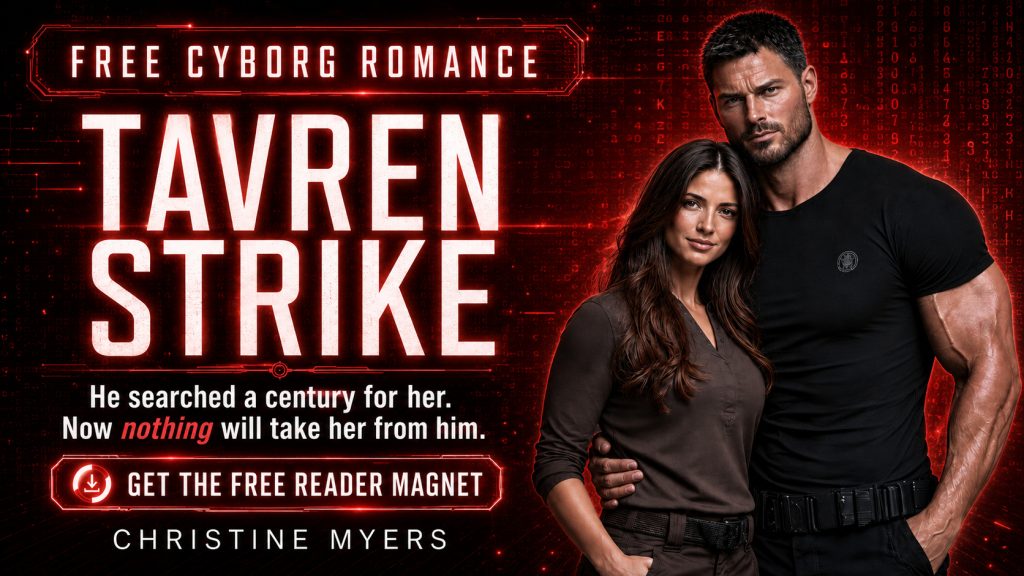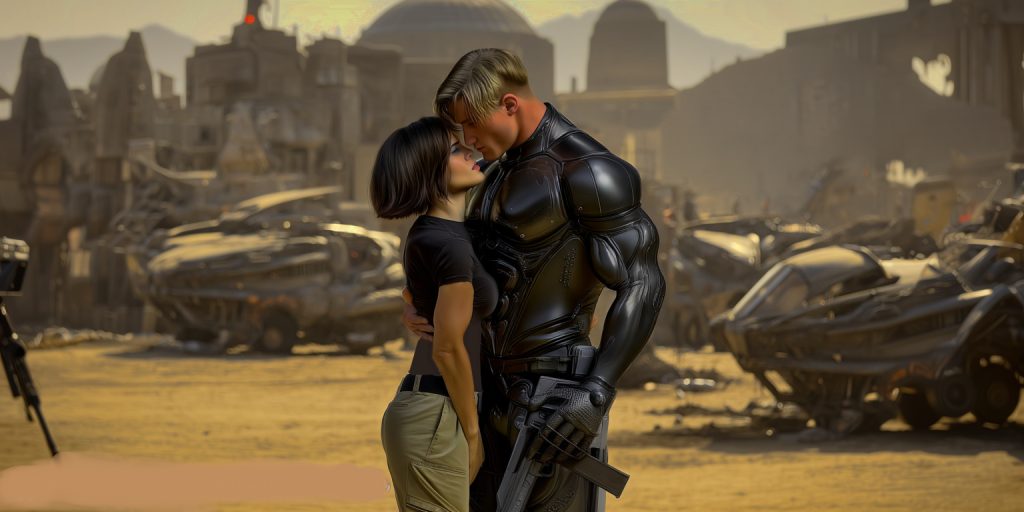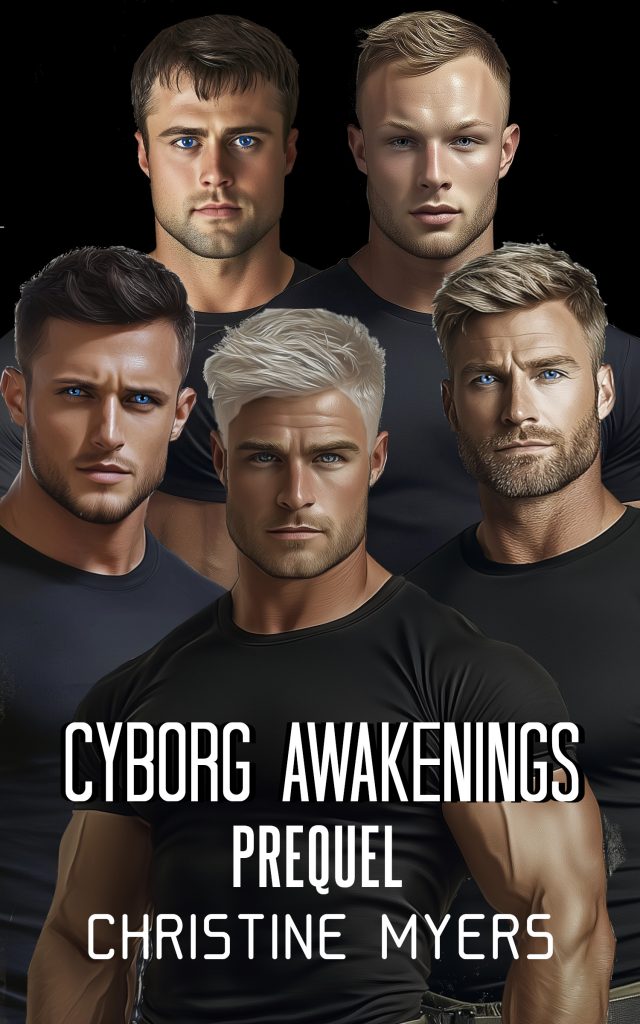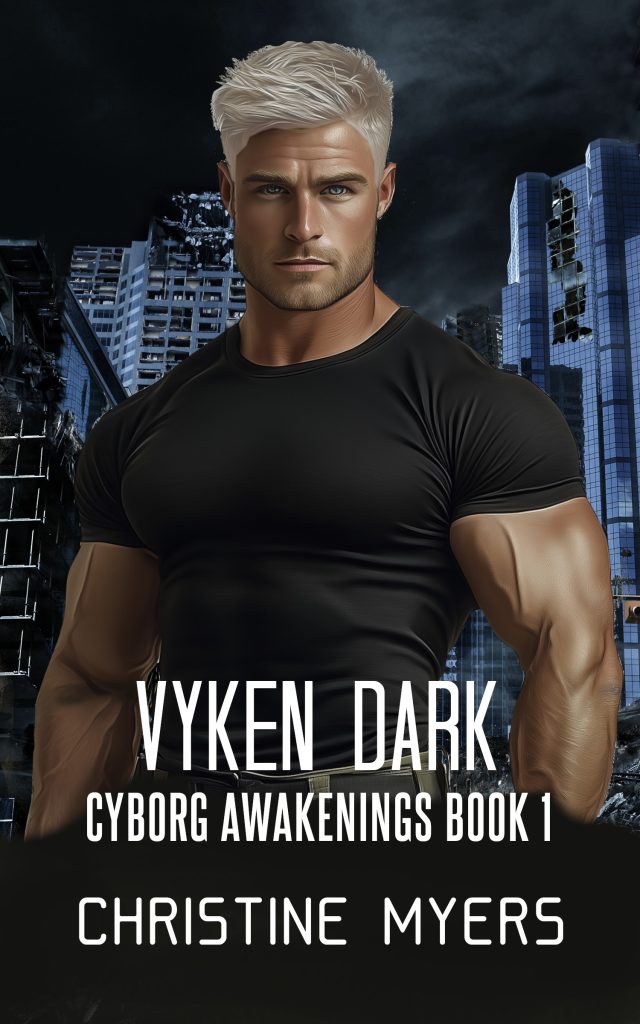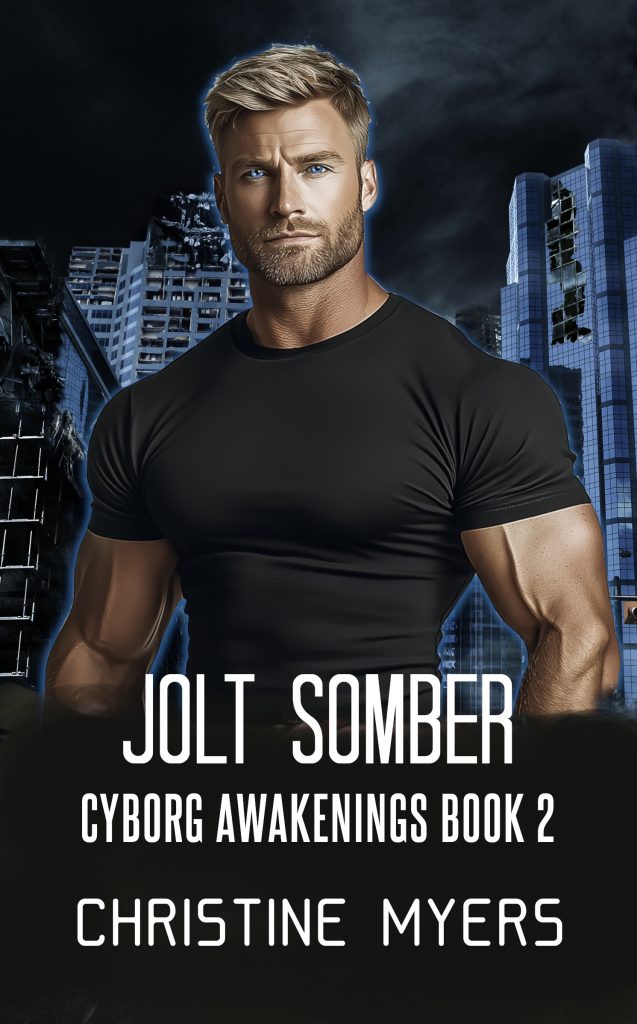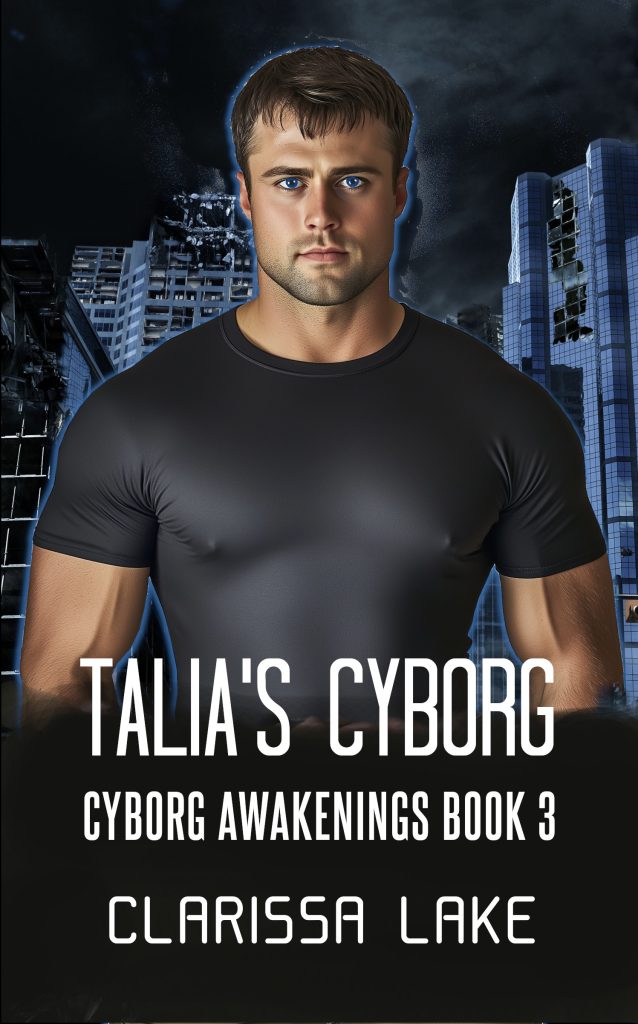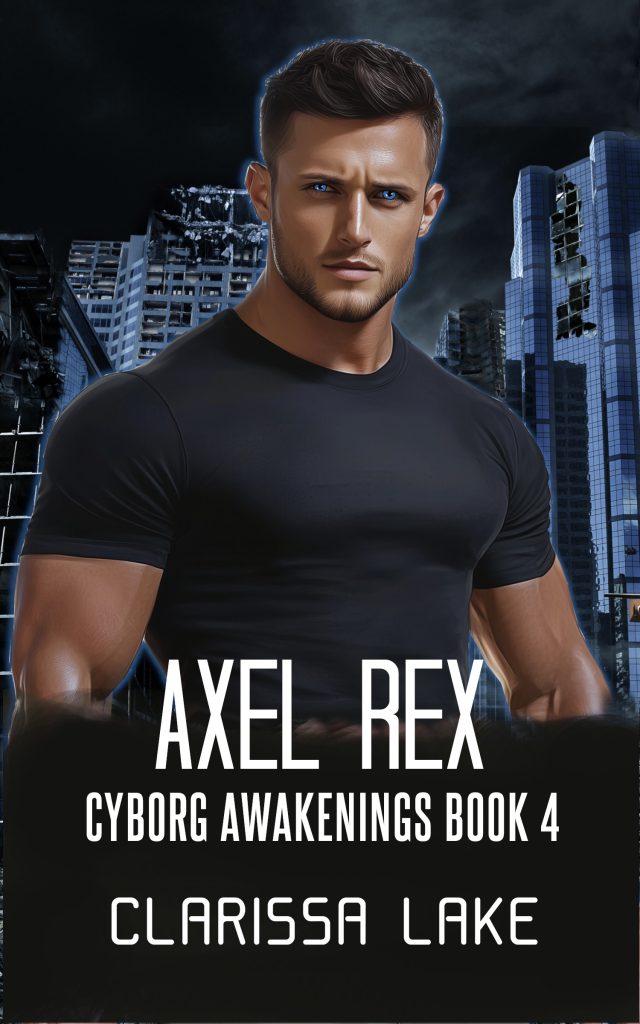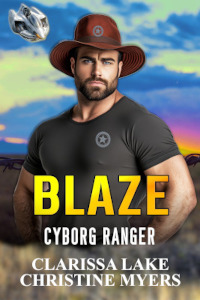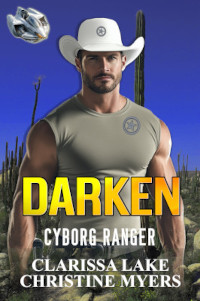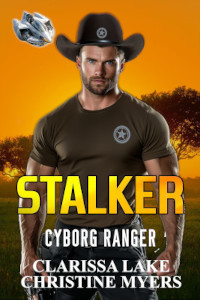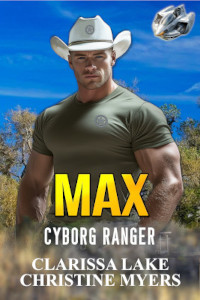

Cyborg romance didn’t begin for me as a grand story plan. It began the way many creative obsessions do—quietly, unexpectedly, with a seed that took root long before I realized what it would become.
Long before I ever wrote a cyborg hero, I was already captivated by science fiction. Not just the starships and alien worlds, but the human stories: outcasts trying to belong, survivors rebuilding after loss, ordinary people discovering extraordinary strength. Those themes shaped my imagination from childhood and later became the emotional foundations of my romance worlds.
But the road to my cyborg universe truly began when I started reading cyborg romance—particularly Cynthia Sax’s early series. Her stories presented a new kind of hero: powerful, enhanced, engineered, but deeply emotional and vulnerable. These men weren’t just soldiers—they were survivors longing for connection. I devoured every cyborg romance I could find, but at the same time, something in my own writing universe had already prepared the ground for cyborgs long before I wrote the first one.
How My Aledan Universe Laid the First Foundation
Years before my cyborgs took shape, I was deep into creating the Aledan Series, with a richly detailed history that stretched across galaxies and centuries. In that timeline, Earth suffered a catastrophic alien retaliation after a disastrous first-contact mission. A geological expedition trespassed on an alien world, panicked, and murdered nearly the entire native team. Only one alien escaped and reported the atrocity to his people.
The response nearly destroyed Earth.
Cities were devastated. Communications collapsed. Entire populations were displaced. Humanity was forced into survival mode.
That war—its destruction, its trauma, and its long aftermath—became the backdrop for my future cyborg world. The idea that humanity had barely survived left an enduring question:
How would a fractured, wounded Earth defend itself if the threat returned?
The answer, at least in my universe, was the creation of cybernetically and genetically enhanced protectors.
Why Cyborg Romance Felt Like the Perfect Match
Science fiction romance blends two genres I have always adored: the limitless wonder of sci-fi and the emotional resonance of romance. Cyborgs sit at the perfect intersection of those worlds. They allow a writer to explore:
- What does it mean to be human?
- Can a man engineered for war learn to love?
- How does trauma shape identity—and healing?
- What happens when the world you were built for no longer exists?
A cyborg is a contradiction: part machine, part man, designed for combat yet capable of profound tenderness. Writing romance for characters like that is endlessly rewarding, because their journey isn’t just about falling in love. It’s about rediscovering their own humanity.
The deeper truth is that these themes echo parts of my own life.
Growing up, I never quite fit in. My mind was always in the stars, in comic-book universes, in worlds filled with psions, aliens, and heroes who battled impossible odds. I often felt like the odd one out—too imaginative, too different—and those feelings became part of the emotional heart of my cyborgs. They are outsiders seeking belonging. They are men created for a purpose who must find a life beyond it.
The First Threads of the Cyborg Universe
Once I realized the alien war from the Aledan timeline created a natural need for enhanced defenders, the structure of my cyborg universe formed quickly.
During the war:
- Earth didn’t know how long the conflict would last.
- Cybernetic soldier production continued nonstop.
- Research and development pushed new breakthroughs.
- More cyborg units were built than could be awakened immediately.
The plan was simple:
Keep making cyborgs until Earth no longer faced extinction.
Some cyborg units were awakened immediately and became frontline soldiers.
Others were kept in reserve—fully developed, fully programmed, and preserved in stasis—waiting for the moment they would be needed.
But the war ended abruptly.
Earth survived, but civilization was shattered. The infrastructure to support millions of people vanished. Entire industries collapsed. Rural enclaves formed out of necessity. Cities became ruins or rebuilding hubs.
And in hidden stasis vaults in a secret underground facility near Chicago and one in Peru thousands of cyborgs remained asleep, never deployed, their lives on pause until someone awakened them.
This is one of the most important aspects of my cyborg universe:
**None of the cyborgs were deactivated.
They were never awakened in the first place.**
When Vyken Dark returned to Earth, he did so knowing that countless cyborgs—his brothers—were still waiting in stasis chambers.
Waiting for a world that had almost been destroyed.
Waiting for a purpose that no longer existed.
Waiting for a chance at life, connection, and love.
This truth shapes every cyborg series I write.
Why These Stories Matter to Me
Cyborg romance gives me a canvas for exploring deeper emotional themes:
- Survival after trauma
- Rebuilding when everything is lost
- Finding love in the ruins
- Learning to trust again
- Creating community out of chaos
All of these reflect human resilience. They reflect my own journey through difficult moments of life, and maybe that’s why the stories resonate with readers as well. My cyborgs aren’t just warriors—they are symbols of hope.
In the ashes of a broken society, they rise.
In the loneliness of being engineered for war, they find love.
In the uncertainty of awakening without a purpose, they create new futures.
What This Blog Series Will Explore Next
This is only the beginning. Over the next four posts, I’ll take you deeper into:
Part 2 — A Personal History Written in Alloy and Memory
How childhood experiences, outsider feelings, and early sci-fi fandom shaped my universe.
Part 3 — Building the Cyborg Guardians Universe
Behind-the-scenes worldbuilding, including Gretchen, Montana and the timeline connecting each series.
Part 4 — Cyborgs, Trauma, and the Genetic Mate Bond
Why the mate-bond trope is so powerful and emotionally resonant.
Part 5 — Rebuilding Love After the World Falls Apart
The emotional thesis of my cyborg romance worlds and why I will always write them.
Worldbuilding Spotlight: The Cyborg Stasis Vaults
During the war, stasis vaults were built deep underground—reinforced chambers designed to preserve fully developed cyborg soldiers until deployment. These vaults were temperature-controlled, EMP-shielded, and self-powered, ensuring that even if Earth’s energy grid failed, the cyborg units inside would remain stable.
Most vaults contained:
- 100 to 300 cyborg soldiers
- Training data modules
- Medical nanite reserves
- Genetic mate-bond compatibility records
- Emergency awakening protocols
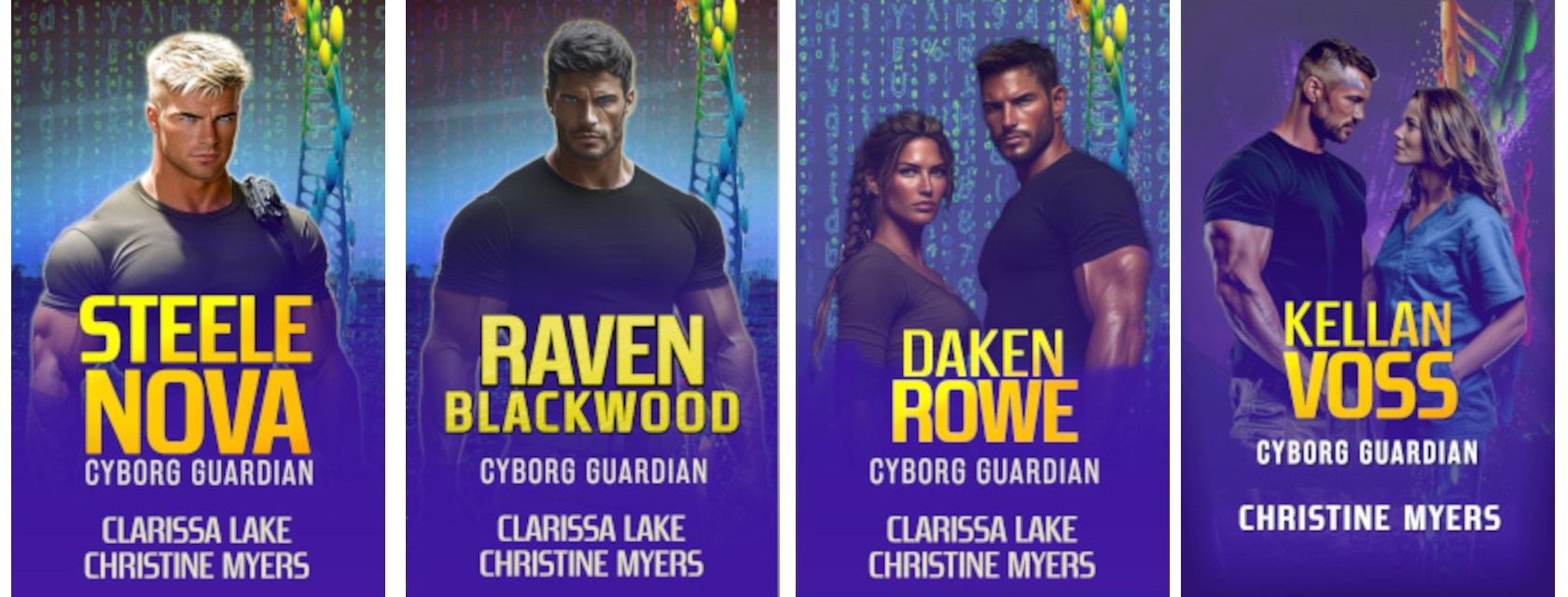
Many cyborgs in your books—Raven, Steele, Bodee and Axel—come from these very vaults. Their lives didn’t begin in childhood like ordinary humans. Their first breath, their first heartbeat outside the chamber, and their first moment of free will all happened after the world they were made to defend had already collapsed.
These men were built for war…
…but destined for something else entirely.
Closing Thoughts for Part One
Cyborg romance found me long before I realized it. It lived in the stories I loved, the universes I created, and the emotions I carried from childhood. Now, writing these series is one of my deepest joys—and I’m thrilled to share the heart behind them in this 5-part blog journey.
Stay tuned for Part 2:
“A Personal History Written in Alloy and Memory.”