Cyborg romance didn’t begin for me as a grand plan. It began the way many creative obsessions do—quietly, unexpectedly, with a spark that formed long before I realized it would become an entire universe. Long before I ever wrote a cyborg hero, I was already captivated by science fiction and the emotional possibilities within it.
My love of science fiction didn’t begin with books—it began on the floor of our living room, watching Superman on a black-and-white television.
“Strange visitor from another planet with powers beyond those of mortal men.”
Those words lit a spark in me before I even understood what story or genre meant. A few years later, when I was about eight, I watched the 1951 film The Day the Earth Stood Still. I was mesmerized. Even then, I wanted Klaatu—the alien—to fall in love with the boy’s mother. Of course, that didn’t happen, but the idea stayed with me.
Looking back, I think Superman and Klaatu were the first seeds of the sci-fi romance author I would eventually become.
Years later, I watched the 2008 version with Keanu Reeves. Critics weren’t kind, but I loved it. The impact of that original story never left me. It shaped the way I see aliens, humanity, connection, and the tension between fear and wonder.
Where Cyborgs First Entered My Imagination
My fascination with cyborgs started even earlier than I realized.
It was the era of The Six Million Dollar Man.
Steve Austin—test pilot, survivor of a catastrophic accident, rebuilt with biomechanical limbs and enhanced senses—was my first exposure to what we would now call cybernetics. The show called them “bionics,” but they were close enough to the cybernetic enhancements I’d later give my own cyborg heroes. It was impossible not to imagine: what would it be like to be rebuilt stronger, faster, tougher… and still so deeply human?
Even today, I can see the roots of my cyborg romances in that series.
Growing Up in the Shadow of Loss
My childhood was a mix of good memories and painful ones.
My parents split when I was around four. Not long after, my mother met someone and decided to move to California with him. The problem was, I couldn’t go—I needed surgery that was the difference between life and death.
My grandparents stepped in. They told her she could leave, but she wasn’t taking us with her.
I didn’t understand the details until much later, but the result was the same:
my mother left for California without me or my brothers.
She visited me once in the hospital, and then she was gone again.
While my grandparents gave us a loving, stable home, I lived with the quiet ache of abandonment. That wound never fully healed. It shaped me, and it shaped the characters I would one day write.
Looking back, I can see how those feelings of loss and displacement seeped into The Aledan Series, where Chelle grieves her mother’s death and Hankura is sent away to another world for his own safety. Fiction often reveals the truths we carry.
Early Adulthood: Love, Hope, and Hard Turns
I married at nineteen and had one child, full of hope for the future. But life had other plans.
My husband developed severe back problems that required major surgery and ended his career. I went to work. Then I lost my job. We moved to the city. Then to the country. Living in the mountains near West Virginia was one of my favorite chapters—growing vegetables, making homemade bread, raising our daughter with a simpler way of life.
But my husband lost his job again.
We moved again.
And that was the beginning of the end of our marriage.
A few years later, I became a single mother trying to build a life for the two of us. During that time, I was shopping The Aledan Psion to publishers and thought I’d finally found one—an independent publisher who loved the story. But his business never got off the ground, and the deal vanished.
Reality hit hard.
I became a small-town newspaper reporter for about nine months, but the pay didn’t cover basic bills. My estranged husband could barely support himself, let alone help us. I crashed into a deep depression and couldn’t work for a while.
Rebuilding: One Step at a Time
Therapy helped pull me back.
Three years of unpacking old wounds, learning resilience, and trying to breathe again.
When I was finally able, I went back to school—determined to become employable and give my daughter a stable home. I took writing courses and computer classes. I hated the math in programming, so I dropped that track, but I learned computers well enough to stand out.
I worked in a factory for two years while finishing school.
I taught myself transcription.
I learned secretarial skills.
Eventually, I walked into a temp agency and walked out with jobs in clerical work and computer operations. That led to a position in a doctor’s office where I stayed for ten years—despite the fifty-mile commute through brutal Western New York winters.
Later, I found a job closer to home and spent another fifteen years in a hospital administrative department. Through it all, writing stayed on the back burner.
But not forever.
The Return to Writing — and the Shift Toward Cyborgs
Somewhere in those years—maybe during a quiet evening, maybe during a long winter—I started writing again. Retirement was coming eventually, and I knew I wanted to become an indie author. That dream had never died; it had only waited.
By then, I had completed two space opera romance series and fully established my Aledan Universe.
But when I discovered Cynthia Sax’s early cyborg romances, something clicked. The stories reminded me of everything I had loved as a child:
- Superman’s alien loneliness
- Klaatu’s quiet otherness
- Steve Austin’s cybernetic rebirth
It all converged.
I borrowed some elements common to the genre—like genetic mates—but beyond that, everything diverged into the universe that already lived inside me. My cyborgs were born from the ashes of the Aledan war, from humanity’s desperation, from the science and trauma and resilience woven through my worlds.
And maybe, if I’m honest, from my own longing.
**Fated mates. Genetic bonds.
A love that cannot abandon you.
A partner who will never leave you behind.**
After failed romances and the lingering shadow of early abandonment, it’s no surprise my heart turned toward stories of men who love fiercely, permanently, and without hesitation. That theme isn’t accidental—it’s emotional truth, transformed into fiction.
Where Cyborg Lore Came Together
The final spark came when I read a story where cyborg warriors were promised mates once they returned home from war. Something about that concept struck home—deeply and personally. It connected with the unresolved pieces of my own past and the emotional scars that shaped me.
From that moment, everything in my universe aligned:
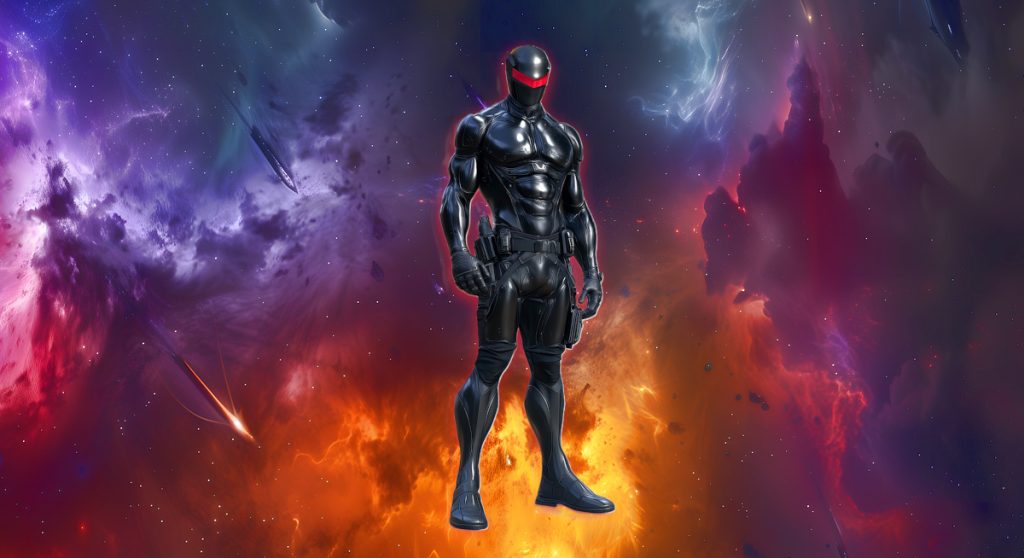
- My world had cyborg soldiers engineered for a war against the Mesaarkans.
- That war created a surplus of never-awakened cyborgs in stasis.
- These men survived a conflict they never truly lived through.
- And they were waiting—quietly, unknowingly—for a chance at life, identity, and love.
It all fit.
It all made sense.
And that’s how my cyborg romances truly began.